

Revenue is central to any business, yet in many SMEs, sales performance lacks clarity beyond topline numbers. Leadership knows how much was sold, but not always why performance fluctuates or which drivers matter most. Growth becomes dependent on instinct rather than insight.
These are early indicators that sales performance may not be structured strongly enough to support predictable growth. Organisations at this stage benefit from understanding how clearly sales targets, tracking, and accountability are defined.
Access your Online Business Assessment here

Sales performance management transforms selling from intuition into discipline. It creates visibility into outcomes, aligns effort with results, and supports consistent decision-making. When sales systems are structured, growth becomes intentional rather than accidental.
For growing enterprises, especially SMEs, disciplined sales performance ensures that expansion is driven by insight instead of guesswork.
The Cost of Flying Blind
Without structured tracking, organisations cannot identify what drives growth or where performance is weakening. High performers go unrecognised, underperformance is identified late, and motivation declines. Targets are often set uniformly without considering market potential, customer segments, or location differences.
This lack of visibility forces leadership into reactive decisions, responding to shortfalls after they impact results.
Sales as an Organisational Enabler
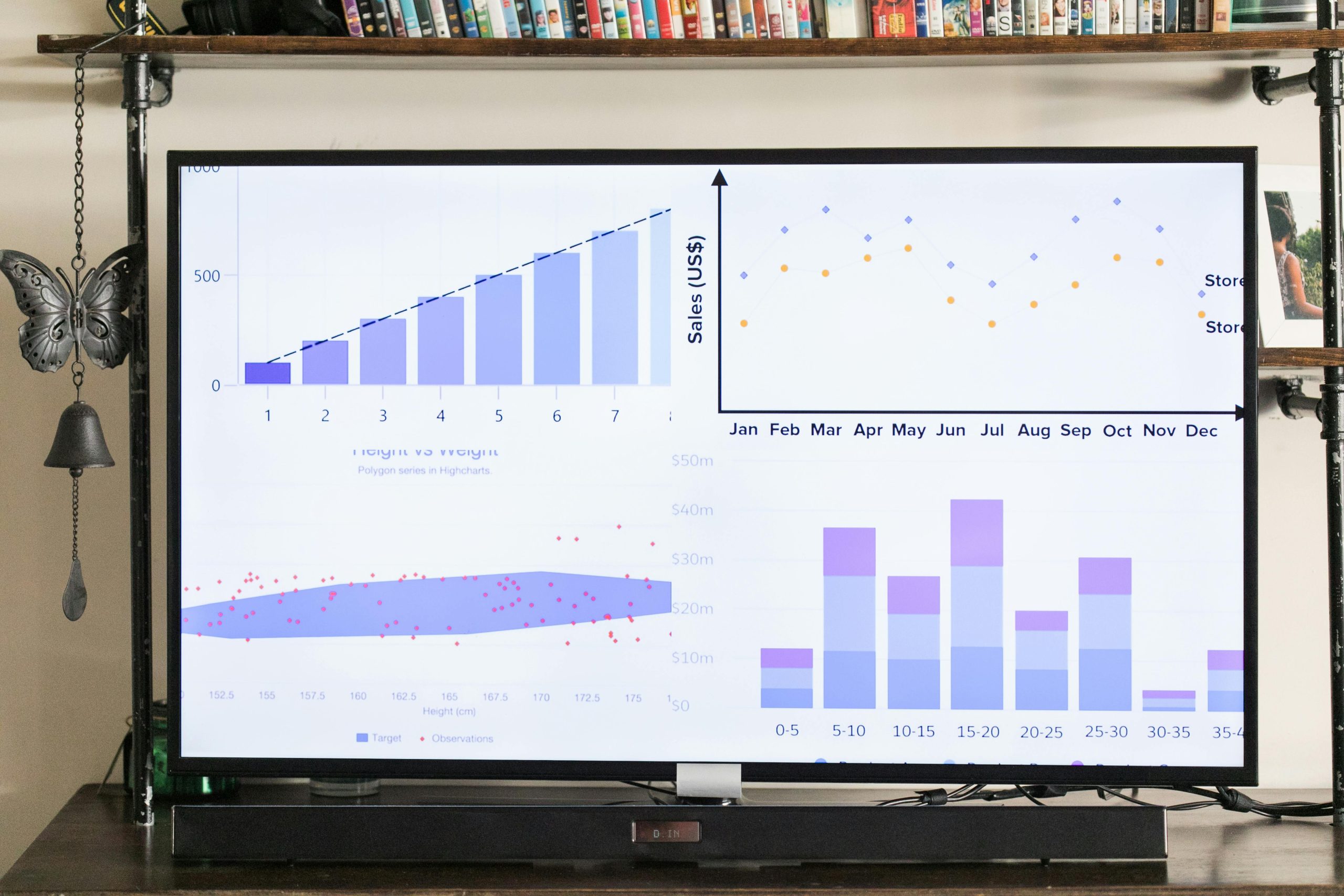
Effective sales management focuses on outcomes rather than activity. Clear targets aligned to potential improve fairness and motivation. Customer segmentation helps prioritise high-value relationships, while regular performance reviews enable timely course correction.
Simple, relevant sales metrics provide leadership with control and direction without unnecessary complexity.
Why Sales Capability Must Be Assessed
Many organisations assume sales is effective as long as revenue flows. However, weak forecasting, unclear accountability, and limited customer insight often remain hidden.
Sales Performance is therefore a key area in our organisational assessment. It evaluates whether sales targets, tracking mechanisms, and review practices are structured to support sustainable growth.
How HNK Supports Sales Performance Transformation
At HNK, we help organisations move from intuition-driven sales to structured performance management. Our focus is on defining meaningful KPIs, improving forecasting clarity, and strengthening review discipline.
We begin with a structured Sales Performance Assessment to identify gaps between effort and outcomes and establish a clear path to predictable growth.
Access your Online Business Assessment here
Conclusion
Sales success should not depend solely on individual skill. When supported by structure and insight, sales become a reliable driver of long-term growth.
About the Author:
K Vedaprasad, Consultant at HNK Management Consultants, is a Gold Medalist MBA graduate from Kerala University of Digital Sciences, Innovation and Technology, with a BBA LLB (Hons.) from CUSAT. He supports clients in operational excellence, business transformation, and governance across FMCG, manufacturing, and retail sectors, helping organizations build strong operational foundations and scale with confidence.


