
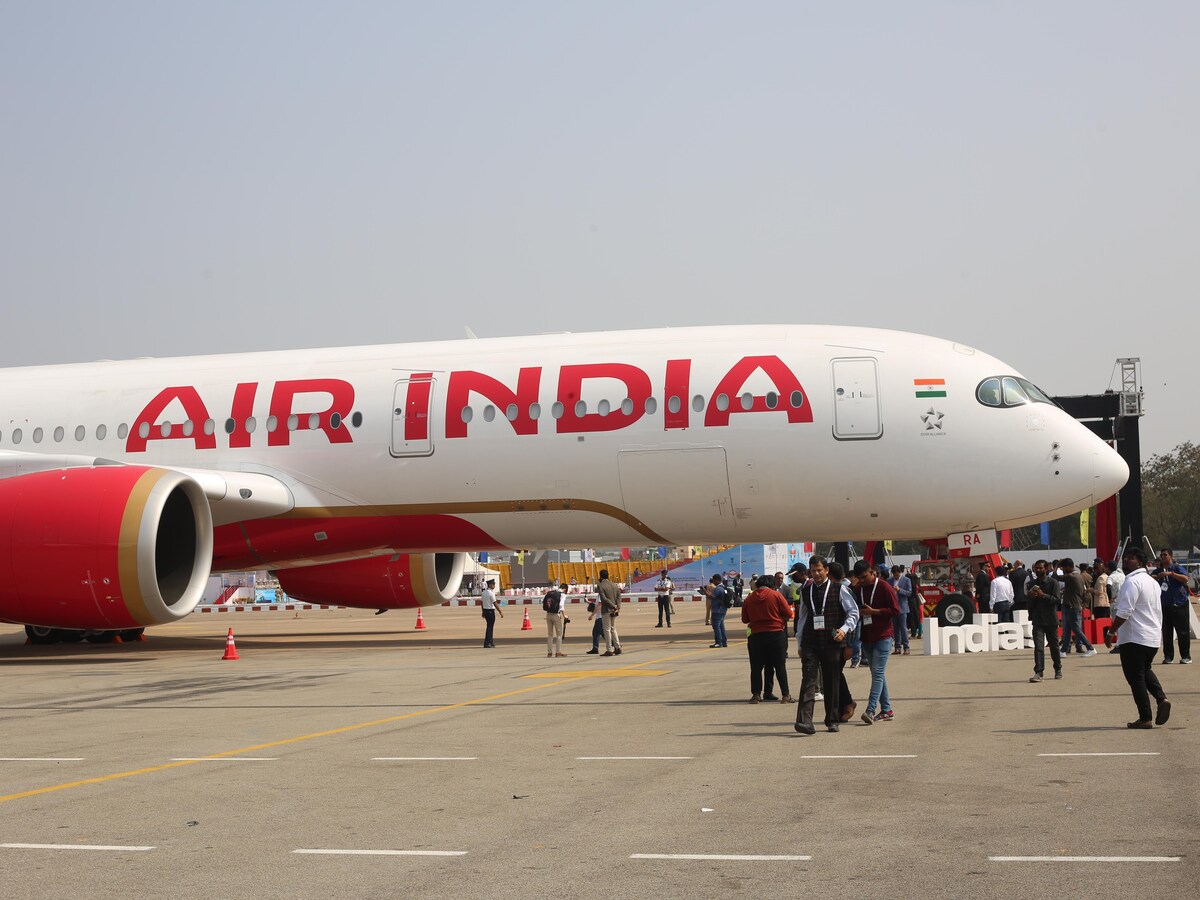
For much of the past decade, India’s aviation growth story has been driven by low-cost carriers. Affordable fares, high aircraft utilisation, and dense domestic routes enabled rapid expansion and mass adoption of air travel. This phase was both necessary and transformative.
However, as the market matures, a critical imbalance has emerged. India today has only one full service carrier operating at a national scale. For a country of India’s size, economic ambition, and international integration, this is a structural gap with long-term consequences.
The opportunity for additional full-service carriers in India is not theoretical. It is already visible in demand patterns, network gaps, and consumer behaviour.
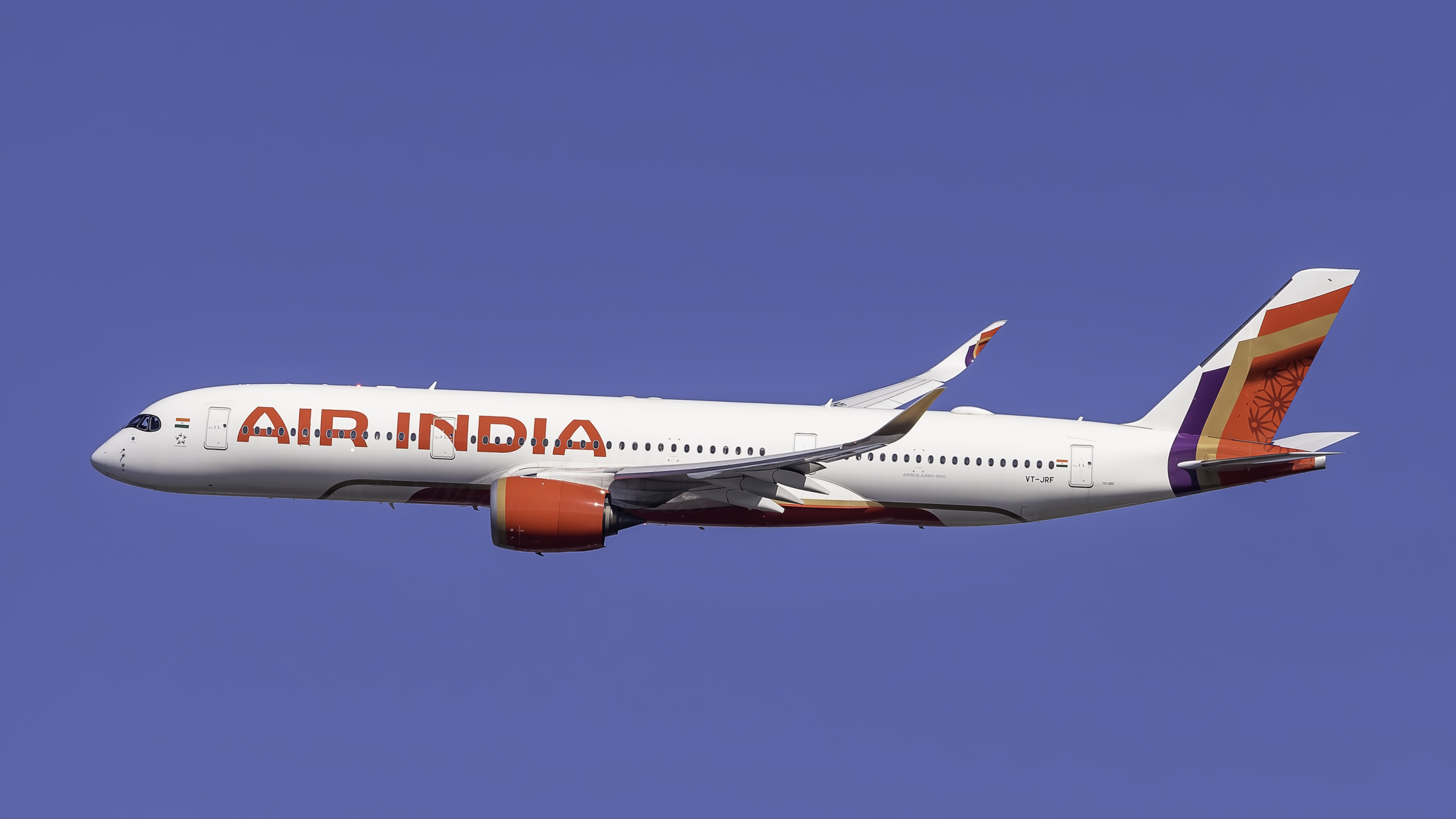
A Market That Has Outgrown a Single Full-Service Carrier
India is no longer an aviation market defined only by price sensitivity. Corporate travel has expanded, international connectivity has deepened, and a growing segment of passengers now values reliability, network breadth, and premium experience alongside affordability.
In most major aviation markets, full-service carriers perform roles that low-cost models cannot fully replicate. They anchor long-haul routes, participate in global alliances, stabilise hub networks, and offer seamless connectivity across continents.
India’s reliance on a single full-service carrier places excessive responsibility on one operator to meet all these needs simultaneously. That is neither realistic nor sustainable.
International Connectivity Demands Redundancy
India’s global footprint is expanding rapidly. Trade, tourism, education, and professional mobility are driving demand across North America, Europe, the Middle East, East Asia, and Australia.
In comparable markets such as the United States, China, and Europe, multiple full-service carriers compete and coexist. This creates redundancy in international networks and ensures that disruptions, capacity changes, or strategic shifts at one airline do not compromise national connectivity.
India currently lacks this redundancy. International routes are concentrated, alliances are limited, and network risk remains high.
Additional full-service carriers would:
• Expand direct international connectivity
• Reduce dependence on foreign hubs
• Strengthen India’s role in global aviation networks
This is not about prestige. It is about strategic resilience.
Premium Demand Is No Longer a Niche
A common misconception is that India is not yet ready for multiple premium airlines. Market behaviour suggests otherwise.
Premium cabins on domestic and international routes are consistently occupied. Corporate travel has rebounded strongly. High-net-worth leisure travel is growing, especially on long-haul routes. Indian passengers are increasingly comparing service quality globally, not just locally.
The success of premium offerings is not constrained by demand. It is constrained by limited supply and a lack of competition.
Multiple full-service carriers would compete on:
• Product differentiation
• Reliability and punctuality
• Network convenience
• Loyalty and partnerships
This competition would benefit passengers and elevate industry standards.
Hub Development Requires Multiple Anchors
India is investing heavily in airport infrastructure. New terminals, expanded runways, and greenfield airports are being built across the country.
Globally, successful hubs are rarely dependent on a single airline. They are supported by multiple network carriers that anchor traffic flows and create connectivity density.
India’s emerging hubs need:
• More than one network carrier
• Competing long-haul strategies
• Overlapping domestic and international feeds
Without this, hubs risk becoming capacity assets without network depth.
Learning from Global Full-Service Models
Markets such as China offer valuable insight. Despite state involvement, China deliberately maintains multiple large full-service carriers, each with its own hubs, strengths, and regional focus.
This structure allows growth without over-centralisation. It distributes risk, enhances competition, and improves system resilience.
India does not need to replicate any single model. But it can adopt the principle that scale should be shared, not concentrated.
Policy and Capital Alignment
For new or expanded full-service carriers to succeed, alignment is required across policy, capital, and infrastructure.
This does not mean protectionism. It means:
• Predictable regulatory frameworks
• Fair access to slots and bilateral rights
• Long-term visibility for fleet and network planning
When these conditions exist, capital finds opportunity. The demand already exists.
Why This Is the Right Time
India’s aviation market is at an inflexion point. The low-cost expansion phase has delivered scale. The next phase must deliver balance.
Full-service carriers are not in competition with low-cost airlines. They serve different roles within the same ecosystem. Healthy aviation markets require both.
Adding depth to the full-service segment will:
• Reduce systemic risk
• Improve global connectivity
• Enhance consumer choice
• Strengthen India’s aviation resilience
Looking Ahead
India does not need to choose between affordability and quality. It can support both.
The opportunity for additional full-service carriers is not a future possibility. It is a present requirement driven by market maturity, passenger behaviour, and global integration.
Aviation systems do not fail because they grow.
They fail when growth outpaces structure.
India has reached the moment where structure must catch up.
About the author:
Muhammed Hashir, consultant at HNK Management Consulting, partners with businesses to unlock growth, strengthen operations, and drive transformation. Hashir is an alumnus of IIM Nagpur and CET Trivandrum. With over five years of experience in management consulting, business transformation, financial analysis, and strategic planning, Hashir brings practical insights and structured approaches that help organizations navigate complexity and achieve measurable results. He has worked across diverse industries in India and the Middle East, supporting leaders to redesign processes, enhance performance, and align strategy with execution. Passionate about aviation and building from the ground up, Hashir is committed to helping organizations scale sustainably and realize their full potential.


