

Procurement and supply chain functions often operate in the background, gaining attention only when something goes wrong. Cost overruns, stockouts, excess inventory, and supplier disruptions reveal how critical these functions are to business stability.
These are early indicators that procurement and supply chain practices may not be structured strongly enough. Organisations at this stage benefit from understanding how disciplined and resilient these functions really are.
Access your Online Business Assessment here
Procurement and supply chain management directly influence cost control, continuity, and operational reliability. When informal, they introduce hidden risks. When structured, they provide stability and support sustainable growth.
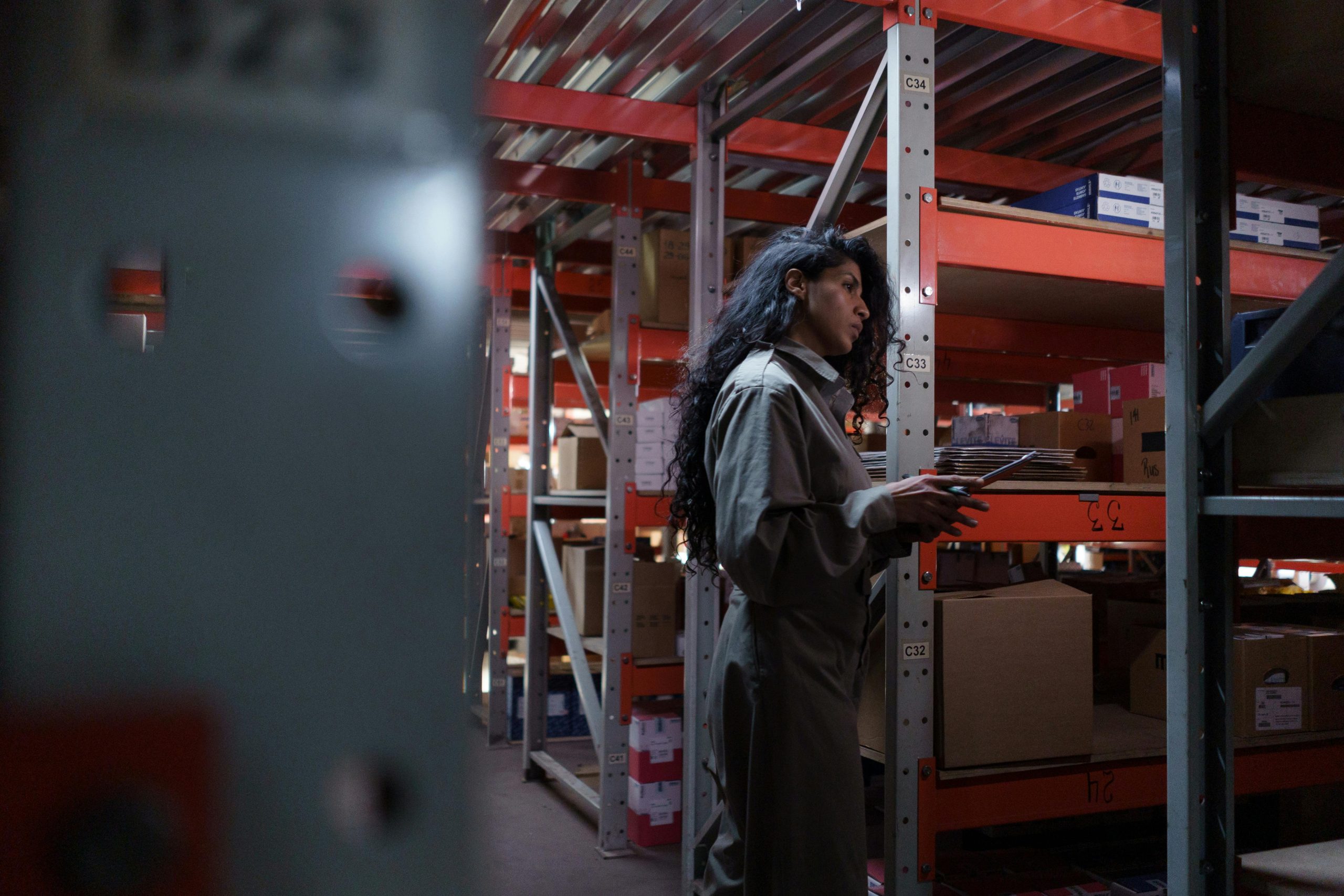
The Cost of Informal Procurement
Ad hoc purchasing leads to inconsistent pricing, variable quality, and unpredictable cash flows. Dependence on a limited set of suppliers increases risk, while lack of inventory visibility results in shortages or excess stock.
These inefficiencies often remain unnoticed until margins erode or operations are disrupted.
Supply Chain as an Organisational Enabler
Structured procurement focuses on value rather than lowest price. Supplier evaluation, diversification, and inventory discipline reduce risk and improve reliability. Demand forecasting and lead-time management enable smoother planning and better use of working capital.
Strong coordination between procurement, operations, and finance ensures materials support production instead of reacting to last-minute needs.
Why Supply Chain Capability Must Be Assessed
Many organisations assume procurement is functioning because materials continue to arrive. However, inefficiencies, exposure, and margin leakage often remain unseen.
Procurement and Supply Chain form a key part of our organisational assessment. It evaluates sourcing discipline, inventory management, supplier risk, and planning practices.
How HNK Supports Supply Chain Transformation
At HNK, we help organisations move from reactive purchasing to structured supply chain management. Our focus is on practical controls, supplier frameworks, and planning discipline that fit SME realities.
We begin with a structured Procurement & Supply Chain Assessment to identify risks, inefficiencies, and opportunities for resilience.
Access your Online Business Assessment here
Conclusion
Strong supply chains rarely draw attention because they prevent problems before they arise. For SMEs, strengthening procurement and supply chain discipline is essential for sustainable growth.

About the Author:
K Vedaprasad, Consultant at HNK Management Consultants, is a Gold Medalist MBA graduate from Kerala University of Digital Sciences, Innovation and Technology, with a BBA LLB (Hons.) from CUSAT. He supports clients in operational excellence, business transformation, and governance across FMCG, manufacturing, and retail sectors, helping organizations build strong operational foundations and scale with confidence.