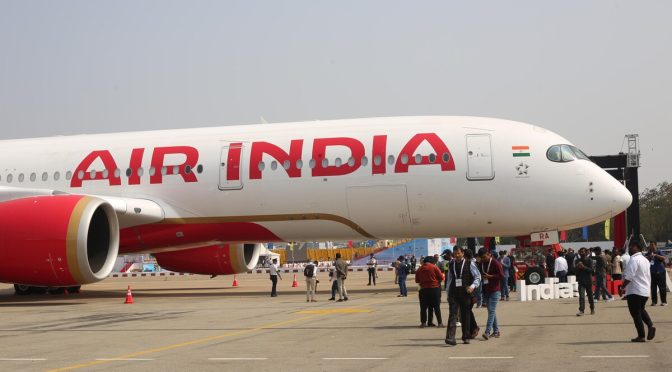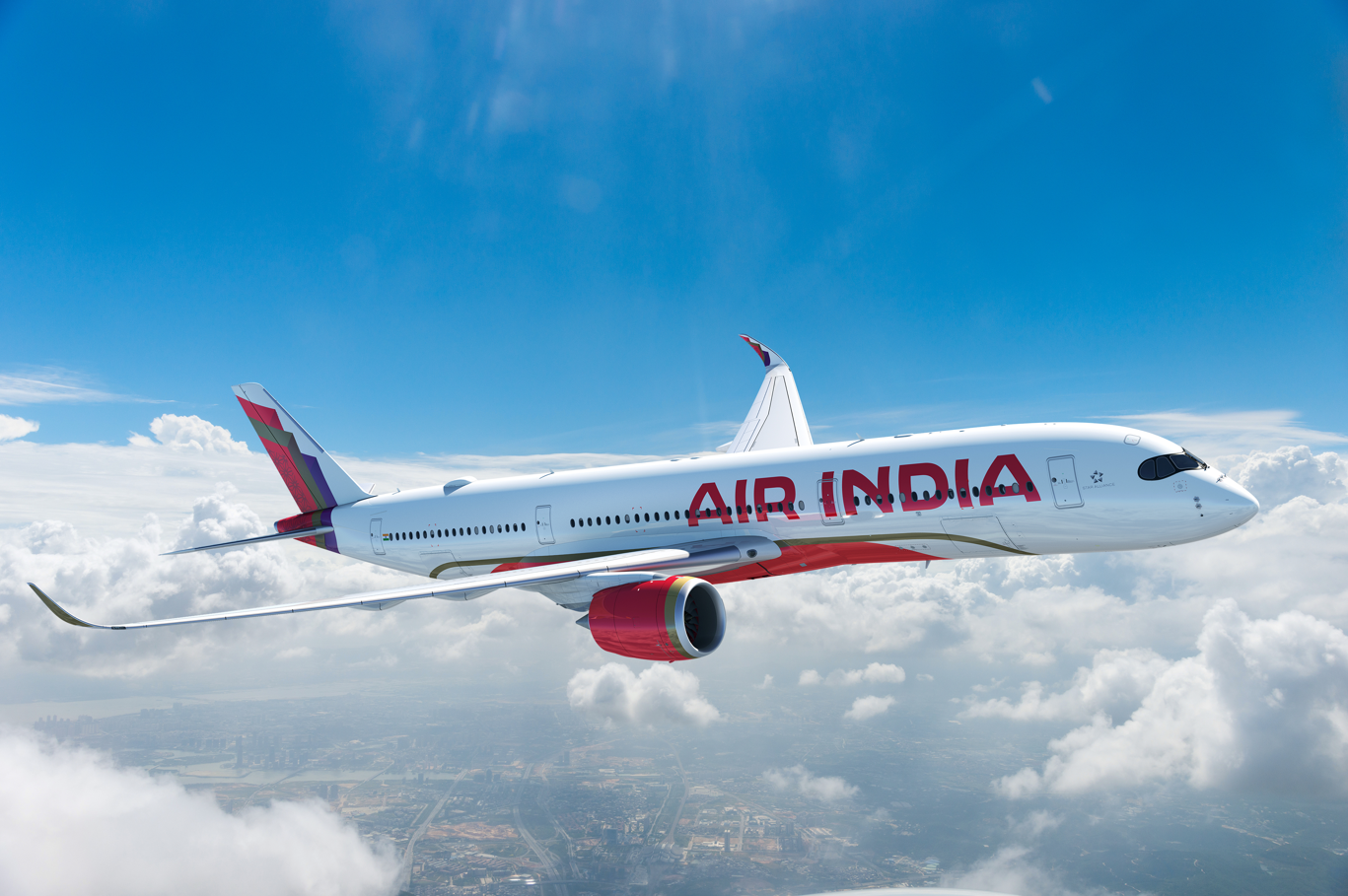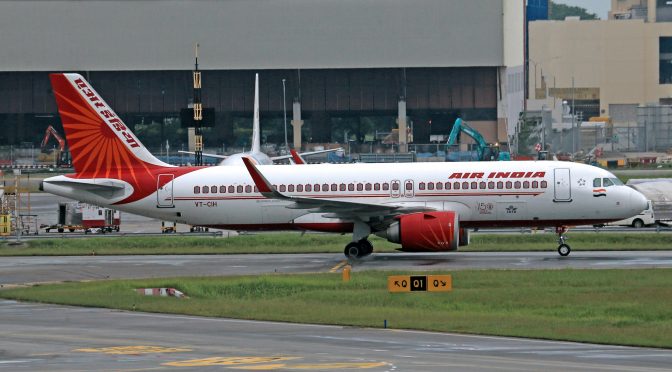
Regional aviation is often discussed as a supporting act in India’s aviation story. In reality, it is one of the most critical missing pieces in the country’s airline ecosystem.
While India has made significant progress in expanding airport infrastructure and improving air travel affordability, regional connectivity remains uneven, fragile, and underdeveloped. This is not due to a lack of demand, but due to the absence of strong, scalable regional carriers.
As Indian aviation grows, the role of regional airlines must shift from marginal participants to structural pillars of the system.
Why Regional Aviation Matters More Than Ever
India’s geography and economic diversity make regional aviation indispensable. Large distances between cities, uneven rail connectivity, and time-sensitive travel needs create a natural demand for short-haul flights.
In mature aviation markets, regional carriers perform functions that neither full-service nor low-cost airlines can efficiently handle alone. They connect smaller cities to hubs, balance traffic flows, and provide redundancy during network disruptions.
India lacks this layer at scale.
As a result, connectivity is overly concentrated around major metros and dominant airlines, increasing system fragility.

The Current Reality of Regional Airlines in India
India does have regional airlines, but most operate at the margins.
They typically face:
- Small fleet sizes
- Limited route networks
- High operating costs
- Weak integration with larger airlines
- Inconsistent demand support
Instead of acting as feeders and buffers, they struggle for survival. This prevents regional aviation from playing its intended systemic role.
Global Perspective on Regional Aviation
In markets such as the United States and China, regional airlines are integral to network design.
They are not niche operators. They are large employers, stable fleet operators, and essential partners to major airlines. Their scale allows them to operate efficiently even on thin routes.
This structure ensures that connectivity does not collapse when one airline or hub faces disruption. India has yet to build this layer.
Untapped Demand Beyond Metro Cities
India’s next wave of aviation growth will not come solely from metros. It will come from:
-
- Tier 2 and Tier 3 cities
- Emerging business hubs
- Tourism-driven destinations
- Industrial and logistics clusters
Many of these markets cannot support narrowbody jets at high frequency, but they can sustain turboprops and regional jets if networks are designed correctly.
Without strong regional airlines, this demand remains underserved or is forced onto longer surface transport options.
Regional Airlines as Shock Absorbers
Recent disruptions in Indian aviation have highlighted a key weakness. When capacity is concentrated and networks are shallow, recovery is slow and painful.
Regional carriers can act as shock absorbers by:
-
- Redistributing passengers through alternate hubs
- Maintaining connectivity when trunk routes are disrupted
- Supporting rapid recovery during operational stress
This is only possible when regional airlines operate at a meaningful scale and are well integrated into the broader system.

Integration Is More Important Than Subsidy
Regional aviation in India has often been approached through subsidies and incentive schemes. While support mechanisms are necessary, they are not sufficient.
What regional carriers need more than subsidies is:
-
- Stable long-term route planning
- Seamless integration with major airlines
- Predictable airport access
- Fleet and maintenance ecosystems that support scale
Regional aviation succeeds when it is embedded in the national network, not treated as a standalone experiment.
A Strong Regional Layer Reduces Concentration Risk
One of the core themes of this series has been concentration risk. Regional carriers directly address this issue.
By distributing traffic flows and expanding connectivity away from a few dominant nodes, regional airlines:
-
- Reduce dependence on single operators
- Increase network redundancy
- Improve overall system resilience
This is not about competing with large airlines. It is about complementing them.
The Strategic Opportunity Ahead
India is building airports faster than ever before. If regional aviation is allowed to mature alongside this infrastructure, the payoff will be substantial.
The opportunity exists to create:
-
- Multiple strong regional carriers
- Hub-and-spoke systems that extend beyond metros
- Balanced growth across geographies
- A more inclusive aviation network
Without this, infrastructure risks outpace airline capability.
Looking Ahead
India’s aviation journey has so far focused on scale. The next phase must focus on structure. Full-service carriers provide global reach.
Low-cost carriers deliver affordability.
Regional carriers provide depth, resilience, and inclusivity.
Aviation systems fail when one of these layers is weak.
India has reached the moment where regional aviation must move from the periphery to the core.
Closing the Series
This series set out to answer a simple question. Why does Indian aviation remain vulnerable despite rapid growth?
The answer is now clear.
India does not suffer from a lack of demand, ambition, or efficiency. It suffers from structural imbalance.
The path forward is not fewer airlines.
It is more strong airlines across all segments.
Growth brought India into the global aviation spotlight.
Balance will determine how long it stays there.

About the author:
Muhammed Hashir, consultant at HNK Management Consulting, partners with businesses to unlock growth, strengthen operations, and drive transformation. Hashir is an alumnus of IIM Nagpur and CET Trivandrum. With over five years of experience in management consulting, business transformation, financial analysis, and strategic planning, Hashir brings practical insights and structured approaches that help organizations navigate complexity and achieve measurable results. He has worked across diverse industries in India and the Middle East, supporting leaders to redesign processes, enhance performance, and align strategy with execution. Passionate about aviation and building from the ground up, Hashir is committed to helping organizations scale sustainably and realize their full potential.